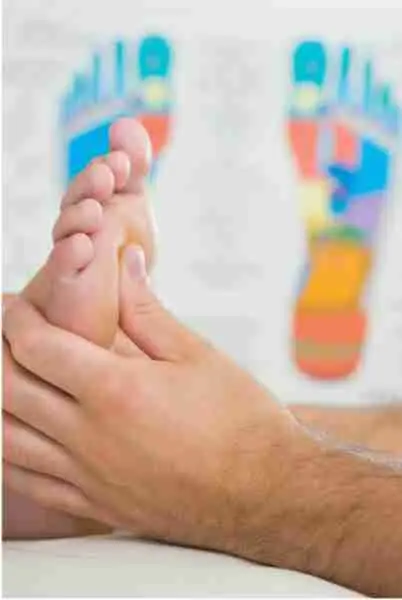
In the hustle and bustle of our modern lives, finding ways to relax and rejuvenate is essential. One ancient practice that has stood the test of time and is gaining popularity once again is the Art of Reflexology. This holistic healing method involves applying pressure to specific points on the feet, hands, and ears. In this blog, we’ll delve into the origin, goals, and incredible benefits of reflexology, shedding light on why it’s making a resurgence in today’s wellness-conscious world.
Origin of Reflexology: Ancient Wisdom Meets Modern Healing
- Reflexology dates back to ancient civilizations such as Egypt, China, and India.
- It evolved over centuries, with each culture adding its unique touch to the practice.
- In the early 20th century, Eunice Ingham pioneered modern reflexology techniques, mapping out reflex points on the feet.
Goals of Reflexology: Balancing Energy and Promoting Well-being
- Stimulating Energy Flow: Reflexology aims to unblock energy pathways, allowing energy (chi or prana) to flow freely through the body.
- Relaxation and Stress Reduction: One of the primary goals is to induce deep relaxation, reducing stress and tension.
- Pain Relief: Reflexology can alleviate various types of pain, from headaches to backaches, by targeting corresponding reflex points.
Benefits of Reflexology: More Than Just Foot Massage
- Improved Circulation: Reflexology boosts blood circulation, aiding in oxygen and nutrient delivery to cells.
- Enhanced Nerve Function: By stimulating nerve endings, reflexology can improve neural function and promote balance.
- Detoxification: The practice helps flush toxins from the body, supporting the liver and kidneys.
- Better Sleep: Many people find that reflexology sessions lead to more restful sleep.
- Stress Reduction: Reflexology reduces cortisol levels, the stress hormone, promoting overall relaxation.
- Pain Management: Chronic pain sufferers often experience relief after regular reflexology sessions.
- Boosted Immunity: A balanced body is better equipped to ward off illnesses.
Why Reflexology Is Making a Comeback: A Holistic Approach
- Non-Invasive: Unlike some medical treatments, reflexology is non-invasive, making it a safe option for people of all ages.
- Complementary Therapy: It can complement traditional medical care, addressing both physical and emotional well-being.
- Natural Healing: Many people prefer holistic healing methods over medication to avoid potential side effects.
- Customized Treatments: Reflexologists tailor sessions to individual needs, addressing specific concerns.
Conclusion: Step into the World of Reflexology
As we journey through the modern world, reconnecting with ancient practices like reflexology can be a breath of fresh air. With its roots in centuries of wisdom and a clear focus on promoting well-being, reflexology offers a path to relaxation, balance, and rejuvenation. The surprising benefits it provides, from stress reduction to pain relief, make it a holistic approach worth exploring. So, why not step into the world of reflexology and experience the transformative power of this ancient art for yourself? Your body and mind will thank you.