
Your First Time receiving a Massage for Pain Relief
Your neck’s stiff, your back’s aching, that migraine’s pulsing again, and you’re wondering if a massage is worth trying. You’ve never had one, and the idea feels like stepping into the unknown. Will it hurt? Will it feel strange? Is it even effective for pain? Your questions are valid, and we’re here to guide you. Here’s everything you need to know about your first massage, answered clearly with expert insight to cut through the confusion. Let’s transform your pain into a challenge you can conquer.
Now not all massages are created equal. For example, a relaxation or traditional Swedish massage is like a soothing escape, designed to melt stress and promote calm with gentle, flowing strokes, while a therapeutic or pain relief massage, the focus of this article, is a targeted mission to tackle specific pain—think tight muscles, creaky joints, or chronic aches—using techniques like deep tissue, myoskeletal alignment, neuromuscular or neurosomatic therapies to restore balance and ease discomfort. If pain’s your problem, therapeutic massage is your ally, and we’ll walk you through what to expect.
Why Should I Even Try a Massage for My Pain?
Pain isn’t just an annoyance—it’s your body sounding an alarm. Erik Dalton, a pioneer in massage therapy, puts it perfectly: “Pain is often a signal of imbalance.” Slouchy desk posture? Shoulders hunched from stress? These habits pull muscles and joints out of alignment, triggering discomfort. Your pain—whether a cranky lower back or a migraine from tight neck muscles—is your body begging for help.
What about Massage? What is it and how does it help?
Massage, like deep tissue or myoskeletal alignment, doesn’t just soothe the surface like a relaxation session; it targets the root, loosening tight muscles and restoring balance. Dalton emphasizes that “tight muscles pull joints into bad positions, creating a pain cycle.” A skilled therapist breaks that cycle, nudging your body back to harmony. Think of your joints like the Tin Man in The Wizard of Oz, creaking from stiffness—massage, guided by experts like Dalton and James Waslaski, acts like oil, boosting hyaluronic acid and synovial fluid to lubricate joints and ease movement. If your back’s sore from laptop marathons or your head’s pounding from tension, this kind of massage could be the reset your body craves. Unlike painkillers, it’s a proactive step toward lasting relief.
How Do I Prep Without Overthinking It?
Prepping for a massage is straightforward—think of it like getting ready for a focused workout, not a spa makeover. Hydrate well; water keeps your muscles pliable and helps flush toxins post-session. Skip heavy meals—a light snack prevents discomfort while lying face-down. Wear loose, comfortable clothes like yoga pants or sweats that slip on and off easily. No need to shave or fuss; just arrive clean and ready.
Nervous about undressing? You’re in control. Keep undergarments on if that feels right; therapists use sheets to drape you, exposing only the area they’re working on, like your back or shoulders. Call ahead and share your concerns: “I’ve got neck pain, it’s my first time, and I’m a bit anxious.” A good therapist will explain the process and may suggest Dalton’s myoskeletal approach to target your pain.
Pro tip: Tune into your body’s signals—a nagging twinge in your shoulder is a clue to share with your therapist for tailored relief.
- Hydrate: Drink water like it’s your mission.
- Dress smart: Choose clothes that don’t complicate undressing.
- Speak up: Share your pain points and fears upfront.
What’s It Like in the Massage Room?
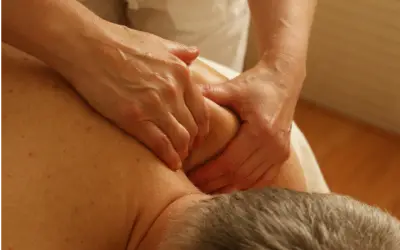
Imagine a serene room with dim lighting, soft music, and a padded table. You’re on the table draped in a sheet or blanket, either face-down in a cushioned cradle or face-up looking at the ceiling depending on the initial consultation and focus. The therapist starts with light strokes over the sheet up and down the body relaxing the muscles while putting together the game plan to relieve your pained area(s).
Then they dive deeper. A deep tissue massage feels firm, like they’re untangling stubborn knots, sometimes intense, but not ‘scream-worthy.’ Trigger points might give a quick pinch, then release into relief—a sign the tension is letting go. You might zone out, wince briefly, or even drift off—all normal. By the end, you’ll feel like you’ve faced your pain head-on and come out the other side stronger.
Therapists may use some of Dalton’s Myoskeletal Alignment Techniques (MAT)—starting with slow, deliberate moves to realign your spine or hips, easing strained muscles, which then moves into fast paced muscle manipulation, almost like a heavy manual vibration of the area. Quick flicks of larger joints might be applicable. Breathe deeply to help your body release tension.
It’s really a dance between pressure and release, guided by your participation and feedback. You’re not a bystander; you guide the session. The therapist may ask you to resist or push into their hand then release, or bend your shoulders forward to engage a deeper stretch. It is all customized to what your body needs.
Massage Tip: Your body speaks during the massage—listen to it. Feel tension? Speak up. Sense a knot release? That’s progress. Staying engaged makes the session yours.
How Does a Therapist Spot and Fix My Pain’s Root Cause?
Before or during your session, a skilled therapist might assess your body’s alignment to uncover the root of your pain, using techniques inspired by Erik Dalton and James Waslaski. Picture the Tin Man again: stiff joints need oil to move freely. Their methods aim to boost hyaluronic acid and synovial joint fluid—your body’s natural lubricants—easing creaky joints and tight fascia. They’ll look at your posture: Are your hips level? Is one shoulder higher? Do your feet turn out, or does one leg seem longer? These clues reveal Common Compensatory Patterns (CCPs), where your body twists to compensate for imbalances, like your right shoulder turning inward while your left hip rotates back.
These twists, or fascial distortions, create pain cycles—think of a lower back ache from a misaligned pelvis or a migraine from a hunched shoulder. Therapists use hands-on assessments and targeted massage to correct these patterns, restoring fluidity to your joints and muscles. Want to spot your own CCPs? Reflect on your sleeping position. Do you sleep on your stomach, head turned right, one leg straight and the other bent like an upside-down L? That’s a clue to how your body compensates, which you can share with your therapist for a tailored session.
Will It Hurt, and What If I Feel Awkward?
Let’s address the big worry: pain. A pain-relief massage isn’t a gentle caress—it’s purposeful work. Deep tissue or myoskeletal techniques can feel intense, like pressure on a sore spot, but it shouldn’t make you clench your jaw. Therapists are skilled, but unfortunately cannot read minds, so communication is key. If it’s too much, tell your therapist—they’ll adjust instantly. Tender areas, like a knotted shoulder, might signal, “That’s the spot—keep going.” The goal is relief, not torture.
Feeling awkward is common for first-timers. Lying partially undressed with a stranger’s hands on you can feel odd, but therapists are professionals who focus solely on your muscles—nothing to feel self-conscious about. You’re fully draped, in a private room, and you set the boundaries. Don’t want to chat? Stay silent. Want to ask questions? Go for it. Worried about snoring or passing gas? It happens, and they’re unfazed. Tell them, “It’s my first time, I’m nervous,” and they’ll ease you in, explaining each step. Within minutes, you’ll shift from awkward to focused on the relief.
Fun Fact: Massage therapists are the only professionals who focus solely on your muscles.
What Happens After a Massage? How Will I Feel?
When the session ends, your therapist will gently signal it’s time to rise. Sit up slowly—you might feel drowsy, like waking from a deep rest. Your body could feel looser, as if a weight’s been lifted, or slightly sore, like after a good workout. This is your muscles recalibrating. Many feel a calm glow, akin to post-yoga serenity, or an emotional release, as stress and tension stored in the body dissolve.
Pain relief varies: your backache might fade by evening, or a migraine’s grip may loosen over days. To sustain the benefits:
- Hydrate: Drink water to clear released toxins.
- Rest: Skip intense exercise for a day.
- Stretch: Try gentle neck rolls or cat-cow poses to maintain mobility.
Is It Worth It for Pain Relief?
Massage can rewrite your pain story. That nagging lower back from slouching, the neck screaming after Zoom marathons, or chronic migraines from tight occipital muscles? A targeted session—around $99 for 60 minutes of hands-on therapeutic work—can ease discomfort in ways you might’ve forgotten were possible. It’s not a one-time fix; chronic pain may need sessions every few weeks, as tension builds over time and won’t vanish overnight. Compared to relying on pills or enduring daily aches, it’s a game-changer.
Pain, stress, and tension build up in the body—and if not released, they can lead to more serious physical and emotional issues. Prioritizing self-care through regular bodywork is key to staying balanced, healthy, and resilient.
You’re not just getting a massage—you’re taking back control.
Dalton’s philosophy, paired with Waslaski’s orthopedic insights, underscores why it works: massage isn’t just about muscles—it’s about restoring how your body moves and holds itself. Their proactive approach encourages pairing massage with better posture, daily stretches, or mindful movement to build a pain-resistant you. Massage isn’t only for relaxation—it’s a powerful tool for pain management, backed by experts like Dalton and Waslaski. Your health is worth it. Book a session, share your pain’s story, and take the first step toward control.