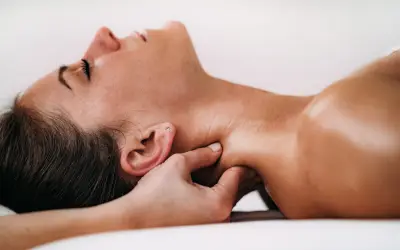

In the realm of alternative therapies, one technique has quietly but steadily gained recognition for its holistic approach to health and well-being – Craniosacral Therapy. This gentle and non-invasive form of bodywork has its roots in osteopathy and has proven effective in addressing a wide range of physical and emotional issues. In this blog, we’ll delve into the origin, goals, and benefits of Craniosacral Therapy, shedding light on its healing potential and why it’s worth considering as part of your wellness journey.
The Origins of Craniosacral Therapy
Craniosacral Therapy, often abbreviated as CST, has an intriguing history:
- Osteopathic Roots: CST traces its lineage back to osteopathy, a branch of medicine focused on the musculoskeletal system’s interconnection with overall health. Dr. William Sutherland, an American osteopath, is credited with discovering the concept of cranial movement in the early 1900s.
- The Cranial Rhythm: Dr. Sutherland observed that the cranial bones have subtle, rhythmic movements, much like the breath. He believed that these movements were integral to our health and well-being, leading to the development of CST.
The Goals of Craniosacral Therapy
CST practitioners work toward several key goals during their sessions:
- Balancing Craniosacral Rhythm: The primary aim is to identify and correct any imbalances or restrictions in the cranial rhythm. This rhythmic motion extends from the head (cranio) to the base of the spine (sacral), affecting the entire body.
- Relieving Tension: CST seeks to release tension and restrictions within the body’s tissues, particularly the membranes and cerebrospinal fluid that surround the brain and spinal cord.
- Enhancing Self-Healing: By facilitating the body’s natural ability to self-correct and heal, CST promotes overall health and well-being.
- Addressing Emotional Stress: CST recognizes the mind-body connection and aims to alleviate emotional stress and trauma stored within the body.
The Benefits of Craniosacral Therapy
The potential advantages of undergoing CST are manifold:
- Pain Relief: CST can help alleviate chronic pain conditions such as migraines, back pain, and fibromyalgia.
- Stress Reduction: By targeting the central nervous system, CST aids in reducing stress and promoting relaxation, making it an effective tool for managing anxiety and depression.
- Improved Sleep: Many individuals report improved sleep quality after CST sessions, which can be particularly beneficial for those with insomnia.
- Enhanced Immune Function: A balanced craniosacral rhythm can boost the body’s immune response, potentially reducing the frequency of illness.
- Emotional Healing: CST can assist in processing and releasing emotional trauma, fostering emotional resilience and well-being.
- Post-Traumatic Stress Relief: Individuals with PTSD have found CST beneficial in addressing the physical and emotional aspects of their condition.
- Enhanced Athletic Performance: Athletes often use CST to improve their body’s biomechanics, flexibility, and overall performance.
- Balanced Energy Flow: CST’s focus on the body’s energy flow can help individuals feel more balanced and centered.
- Improved Digestion: Some individuals experience relief from digestive issues, including irritable bowel syndrome (IBS), through CST.
Incorporating Craniosacral Therapy into your wellness routine may provide an avenue for improved physical and emotional health. While the therapy’s gentle and subtle nature may not be for everyone, many individuals have found it to be a valuable complement to traditional medical treatments.
In conclusion
Craniosacral Therapy offers a unique approach to holistic health and healing. With its roots in osteopathy and a focus on balancing the cranial rhythm, CST aims to alleviate physical and emotional tension, ultimately enhancing the body’s self-healing mechanisms. The diverse benefits it offers, from pain relief to stress reduction and emotional healing, make it a compelling option for those seeking a holistic path to well-being. Consider exploring Craniosacral Therapy as a complementary modality on your journey to optimal health and vitality.