Cupping therapy has been making waves in the wellness and alternative medicine world in recent years. While it might seem like a modern trend, cupping’s origins date back thousands of years. This ancient practice combines time-honored traditions with potential health benefits that address both the body and mind. In this article, we’ll explore the fascinating history of cupping, its primary goals, and the many benefits it offers.
The Origins of Cupping Therapy: A Global Tradition
- Ancient Beginnings: Cupping therapy traces its roots to ancient civilizations like Egypt, China, and Greece, with evidence dating back to 1550 BC. Early practitioners used hollowed-out animal horns or bamboo to create suction and promote healing.
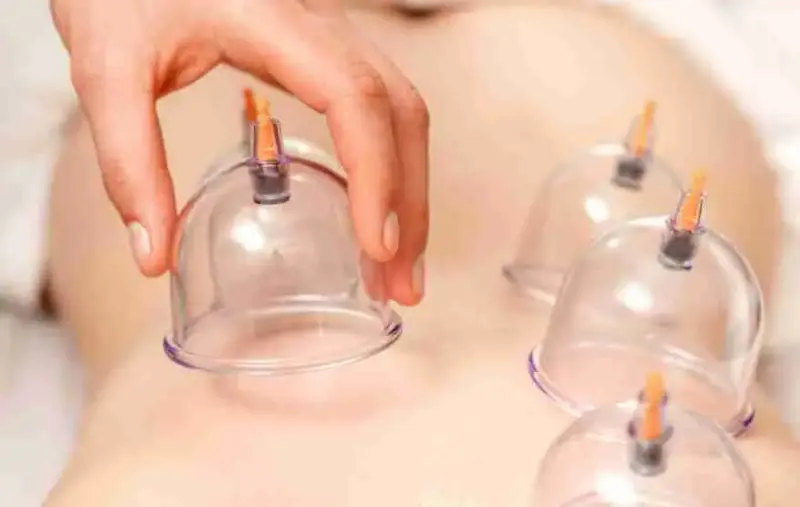
- Chinese Influence: Traditional Chinese Medicine (TCM) refined cupping into what we know today. Using glass or bamboo cups, practitioners developed the “dry cupping” technique, which uses suction to stimulate energy flow and blood circulation.
- Variants Across Cultures: Different cultures embraced unique versions of cupping. For instance, “wet cupping” involves small skin incisions to remove blood, a practice often seen in Islamic medicine. These variations reflect cupping’s adaptability and universal appeal.
Goals of Cupping Therapy: Balancing the Body
- Restoring Qi Flow: In TCM, cupping aims to restore the balance of “Qi,” or life force energy, within the body. The suction created by cups stimulates the movement of this vital energy.
- Relieving Stagnation: By addressing stagnation of blood and lymph, cupping helps alleviate conditions like muscle pain, fatigue, and swelling.
- Detoxification: Cupping is thought to draw out toxins and metabolic waste, supporting the body’s natural cleansing processes.
Embracing the Benefits: What Cupping Therapy Offers
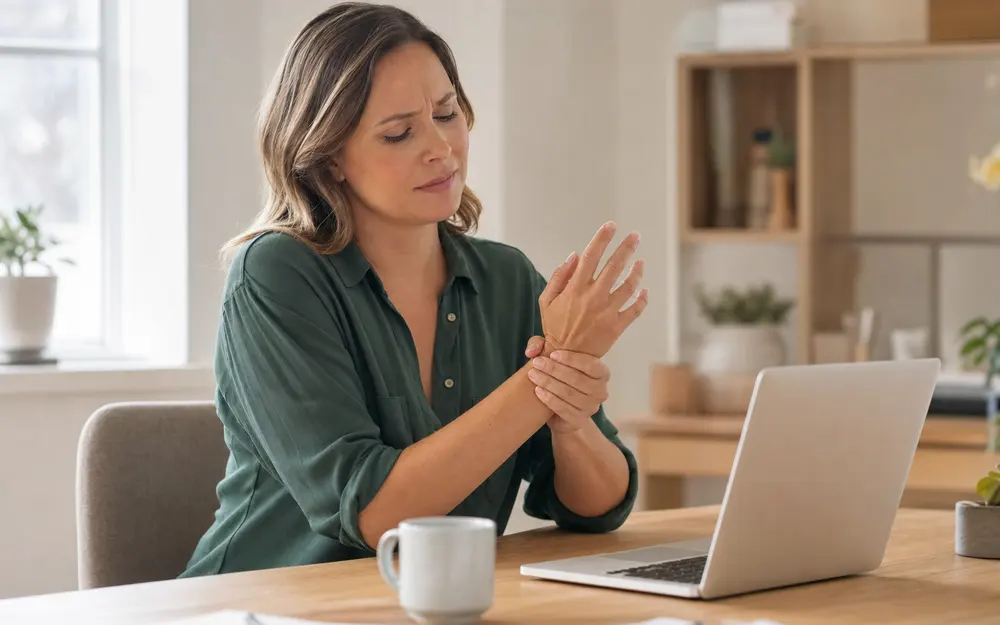
- Pain Relief: Cupping can provide effective relief from muscular pain, particularly in conditions like fibromyalgia and sports injuries.
- Stress Reduction: The relaxation induced by cupping can help reduce stress and anxiety, making it a valuable tool for mental well-being.
- Improved Circulation: By enhancing blood flow to treated areas, cupping can promote healing and reduce inflammation.
- Respiratory Health: Cupping can be used to address respiratory conditions like asthma and bronchitis by loosening mucus and improving lung function.
- Skin Rejuvenation: Facial cupping has gained popularity for its potential to improve skin tone, reduce fine lines, and promote a youthful appearance.
- Enhanced Immunity: Some proponents claim that cupping can boost the immune system by encouraging the production of white blood cells.
Transitioning to a Cupping Session
If you’re intrigued by the history, goals, and benefits of cupping therapy, you might be considering giving it a try. Here are some steps to take:
- Consult a Professional: Seek out a trained and certified cupping therapist who can assess your needs and provide a safe and effective treatment.
- Share Your Concerns: Be sure to communicate any specific health issues or goals you have with your therapist to ensure a tailored session.
- Prepare Mentally: Cupping therapy may leave temporary marks on the skin, so mentally prepare for these harmless and temporary side effects.
- Relax and Enjoy: During your session, take the time to relax and enjoy the experience. Cupping can be a soothing and rejuvenating process.
In Conclusion: Exploring Ancient Wisdom
Cupping therapy, with its ancient origins and holistic approach to health, continues to capture the attention of those seeking alternative wellness practices. Its ability to address a range of physical and mental health concerns makes it a valuable addition to the world of complementary medicine. As you embark on your cupping journey, remember to consult a professional and savor the benefits of this time-honored tradition.