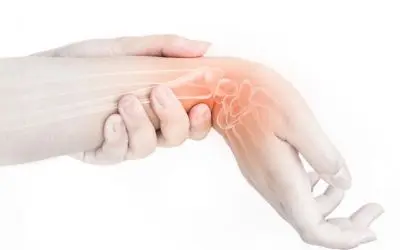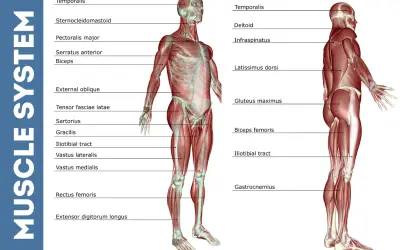
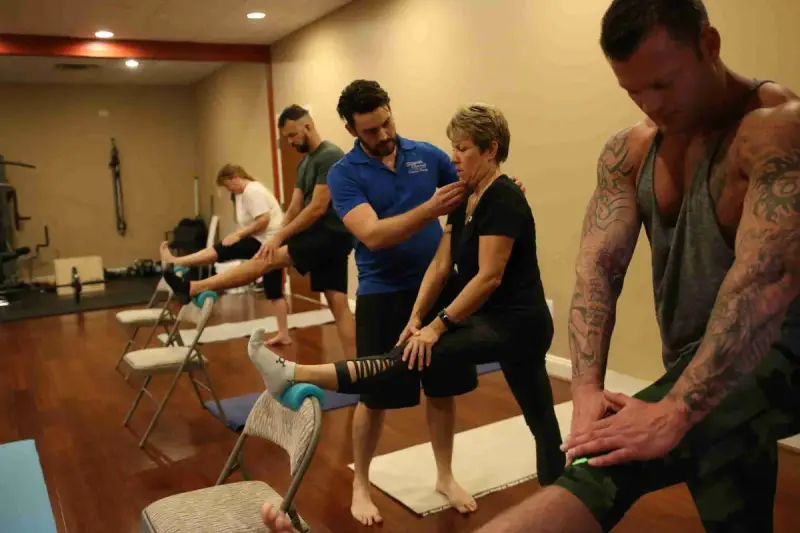
Myofascial Stretching is a term that’s been buzzing around the fitness and wellness communities lately, and for good reason. This approach to stretching is not just about elongating muscles; it’s about delving deeper into the myofascial system of our bodies. In this blog, we’ll explore the origin of Active Myofascial Stretching, its primary goals, and the wide range of benefits it offers to those who practice it.
The Origins of Active Myofascial Stretching
This technique emerged from the understanding of the myofascial system – the connective tissue (fascia) that envelops our muscles. This concept grew in popularity thanks to the work of physical therapists and other health professionals who recognized that traditional stretching methods weren’t addressing the whole picture.
- Holistic Approach: Focuses on the fascia, which plays a crucial role in our overall mobility.
- Inspired by Science: Developed based on advanced insights into human anatomy and physiology.
- Evolution of Stretching: Represents a significant shift from conventional muscle-centric stretching techniques.
Setting the Goals: What Active Myofascial Stretching Aims to Achieve
Active Myofascial Stretching is not just another trend in the fitness world. It’s grounded in specific objectives aimed at enhancing physical health and function.
- Improving Mobility: Aims to increase flexibility not just in muscles, but in the fascia as well.
- Alleviating Pain: Often used to reduce chronic pain, especially in the back and neck.
- Enhancing Recovery: Helps in the rehabilitation of injuries by releasing tension in the fascial network.
- Promoting Overall Well-being: Encourages a more holistic approach to physical health.
Unveiling the Benefits: Why Active Myofascial Stretching is More Than Just Stretching
This practice offers an array of benefits, extending far beyond the realms of ordinary stretching routines. It’s a game-changer for anyone looking to improve their physical health in a holistic and sustainable way.
- Deep Tissue Release: Targets the fascia, leading to deeper and more effective stretching.
- Pain Management: Provides relief from chronic pain by addressing fascial tightness and imbalances.
- Improved Flexibility and Range of Motion: Enhances overall body movement, benefiting daily activities and athletic performance.
- Better Circulation: Improves blood flow, which can aid in recovery and overall health.
- Stress Reduction: The mindful nature of this stretching can also reduce stress and promote mental well-being.