Understanding Carpal Tunnel Syndrome (CTS)
What is Carpal Tunnel Syndrome (CTS)?
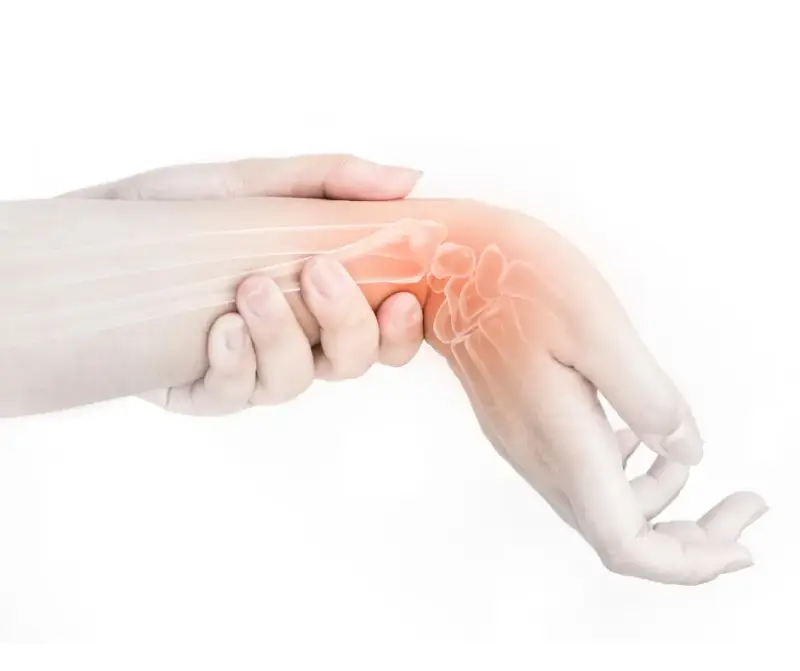
Carpal Tunnel Syndrome (CTS) is a common condition that occurs when the median nerve, which runs from the forearm into the palm of the hand, becomes compressed or squeezed at the wrist within the carpal tunnel—a narrow passageway formed by bones and ligaments… Or to put it simply, CTS happens when a nerve in your wrist gets squeezed in a narrow tunnel formed by bones and ligaments.
There are many things that can cause CTS such as repetitive motions (like typing or assembly work), health issues (diabetes, pregnancy), or even wrist injuries. Symptoms typically start gradually and may come and go, often worsening at night or with certain activities like driving or holding a phone. They usually affect the dominant hand first but can spread.
For proper diagnosis and treatment, a visit to your doctor where a nerve test can be performed would be advisable. Treatments usually take the form of splints, meds, therapy, or surgery. But if your symptoms don’t quite match or extend beyond the hand, it might not be CTS at all…
Let’s take a closer look at some specific symptoms:
Sensory Symptoms
- Numbness, tingling, or a “pins and needles” sensation in the thumb, index, middle, and part of the ring finger
- electric shock-like feelings that may radiate up the arm
Pain Symptoms
- Aching or burning pain in the hand, wrist, or forearm, which may wake you from sleep
Motor Symptoms
- Weakness in the hand, difficulty gripping objects, dropping things, or reduced fine motor skills (e.g., buttoning clothes)
Introducing Thoracic Outlet Syndrome (TOS)
What is Thoracic Outlet Syndrome (TOS)?
Thoracic Outlet Syndrome (TOS) refers to a group of disorders that occur when blood vessels or nerves in the space between your collarbone and your first rib (known as the thoracic outlet) become compressed. This compression can lead to pain in the shoulders and neck, as well as numbness in the fingers… Or to summarize, TOS is when nerves or blood vessels get compressed in the space between your collarbone and first rib (the ‘thoracic outlet’ in your neck/shoulder area).
There are three main types of Thoracic Outlet Syndrome; neurogenic, which affects the nerves; venous, which affects the veins; and arterial, which affects the arteries. The most common type of TOS is neurogenic (often linked to things like whiplash or poor posture), which accounts for about 90% of cases. TOS affects women more often than men and typically occurs between ages 20 and 50.
However let’s take a closer look at some symptoms for each type of TOS:
Neurogenic TOS
- Pain or aching in the neck, shoulder, or arm
- numbness, tingling, or weakness in the fingers (especially the pinky and ring finger)
- headaches
- difficulty gripping objects
Venous TOS
- Swelling, discoloration (bluish tint), or heaviness in the arm
- blood clots leading to sudden pain
Arterial TOS
- Cold fingers, pale hand color, arm fatigue, or weak pulse in the affected arm;
- rarely – ischemic ulcers, or gangrene if severe.
Key Similarities and Differences: Could It Be TOS Instead?
Similar symptoms
Symptoms overlap because nerves from the neck feed into the hand. Self-diagnosis via Google often points to CTS first. Since TOS and CTS are both conditions involving nerve compression, this leads to overlapping symptoms in the upper extremities.
Common similarities include:
- Numbness, tingling, or a “pins and needles” sensation in the fingers or hand, often worsening at night or with certain activities.
- Pain or aching that can radiate along the arm, sometimes described as burning or electric shock-like.
- Weakness in the hand or arm, leading to difficulty gripping objects, dropping things, or reduced fine motor skills.
- Symptoms that may be intermittent, progressive, and exacerbated by repetitive motions or poor posture.
Differences
These distinctions highlight why accurate diagnosis through physical exams, imaging, or nerve studies is crucial, as misdiagnosis can lead to ineffective treatment. For massage therapy clients, understanding these differences can guide targeted approaches, but always recommend professional medical evaluation to differentiate the conditions.
Causes
- Anatomical variations: Such as an extra cervical rib or abnormal muscle bands present from birth.
- Trauma: From car accidents, falls, or other injuries that damage the area.
- Repetitive activities: Jobs or sports involving overhead arm movements, like painting, swimming, or baseball pitching, which can lead to muscle imbalances or inflammation.
- Poor posture: Slouching or forward head posture that compresses the outlet over time.
- Pregnancy: Hormonal changes and weight gain can contribute to compression.
- Other factors: Obesity, tumors, or blood clots in rare cases.
- Repetitive hand motions: Activities involving prolonged or repeated flexing of the wrist, such as typing, assembly line work, or using vibrating tools.
- Wrist anatomy: A naturally narrower tunnel, wrist fractures, or dislocations that alter the space.
- Health conditions: Diabetes, rheumatoid arthritis, hypothyroidism, or fluid retention from pregnancy or menopause, which can cause swelling.
- Other factors: Obesity, smoking, or genetic predisposition.
Why Proper Diagnosis Matters and When to Seek Help
- Untreated CTS can lead to permanent nerve damage; misdiagnosed TOS might mean unnecessary wrist surgery while the real issue (neck compression) persists.
- Symptoms in neck/shoulder, worse with arms raised, or if wrist treatments don’t help.
- See a doctor (GP, orthopedist, or neurologist) for tests like nerve studies or imaging. Don’t self-treat long-term.
Treatment Options for Both Conditions
Carpal Tunnel Syndrome Treatments
-
Conservative approaches
(effective for many, with 50-70% improvement in mild CTS):
- Wrist splinting: Wearing a neutral-position splint at night to keep the wrist straight and reduce pressure.
- Medications: NSAIDs for pain and inflammation; corticosteroids (oral or injected) to reduce swelling.
- Physical therapy: Exercises to glide the nerve, strengthen forearm muscles, and improve posture; ergonomic adjustments to workstations.
- Massage therapy: Can help by reducing muscle tension in the forearm and wrist, improving circulation, and alleviating symptoms when performed by a trained therapist; often used as part of a holistic approach alongside other treatments.
- Lifestyle changes: Resting the hand, applying cold packs, weight loss if applicable, and avoiding aggravating activities.
-
Invasive options
(if symptoms persist after 3-6 months):
- Injections: Corticosteroid shots into the carpal tunnel for temporary relief.
- Surgery: Carpal tunnel release to cut the ligament and enlarge the tunnel; outpatient procedure with high success rates (85-90% relief) for moderate to severe cases.
Thoracic Outlet Syndrome Treatments
-
Conservative approaches
(first-line for most cases):
- Physical therapy: Exercises to strengthen shoulder muscles, improve posture, and stretch tight areas. This is effective for 70-80% of neurogenic TOS cases.
- Massage therapy: Can help release muscle tension in the neck, shoulders, and chest (e.g., scalene and pectoralis muscles), potentially reducing symptoms. It’s often used alongside PT but should be done by a trained therapist familiar with TOS to avoid aggravating nerves.
- Medications: Pain relievers (e.g., NSAIDs), muscle relaxants, or anticoagulants for venous types.
- Lifestyle changes: Ergonomic adjustments at work, weight loss, and avoiding repetitive overhead activities.
-
Invasive options
(if conservative fails):
- Injections: Botox into tight muscles or nerve blocks for pain relief.
- Surgery: Decompression procedures like removing an extra rib or scalene muscle release. This is more common for venous or arterial TOS and has good outcomes in selected patients.