
What is Deep Tissue Massage?
Deep tissue massage is a modern therapeutic technique designed to address specific musculoskeletal issues. Unlike ancient massage forms, it’s a relatively recent development, combining traditional massage with a focused, intense approach. Originating from Swedish massage techniques, deep tissue massage targets the inner layers of muscles and connective tissues to alleviate chronic pain, muscle tension, and overuse injuries, such as repetitive strain or sports injuries.
Is Deep Tissue Massage the Same as Sports Massage?
While deep tissue massage and sports massage share some similarities, they serve different purposes. Deep tissue massage primarily focuses on addressing chronic pain, muscle tension, and injury recovery by targeting deeper layers of muscle and fascia. On the other hand, sports massage is specifically tailored for athletes and active individuals, emphasizing injury prevention, flexibility, and enhanced performance. Sports massage often incorporates more stretching techniques to maintain or improve range of motion, making it an essential part of a well-rounded athletic regimen.
The Goals of Deep Tissue Massage
The primary aim of deep tissue massage is to release tension in the deeper layers of muscle and fascia, and at Therapeutic Elements, we believe in practical, effective treatments that lead to real results.
Deep tissue massage isn’t just about working out the kinks; it’s about addressing the root causes of pain and tension. Using slow, deliberate strokes and sustained pressure on specific muscle groups, this technique breaks down adhesions—bands of painful, rigid tissue that can disrupt circulation and cause discomfort.
By targeting deeper muscle layers, we help you find relief from persistent discomfort, promoting better blood flow, reducing inflammation, enhancing muscle recovery, ultimately improving one’s overall well-being. This approach is especially beneficial for those dealing with chronic pain, athletes recovering from injuries, or anyone in a physically demanding job.
The Benefits of Deep Tissue Massage
When done correctly, deep tissue massage offers numerous benefits that go beyond the physical:
- Pain Relief: We often see significant reductions in chronic pain, especially in the back, neck, and shoulders.
- Improved Mobility: By addressing tight and rigid muscles, deep tissue massage enhances flexibility and range of motion.
- Stress Reduction: Although it’s an intense technique, deep tissue massage can also reduce stress and promote relaxation.
- Posture Improvement: Releasing muscle tension helps correct posture, leading to fewer aches and better alignment.
- Injury Prevention and Recovery: For athletes and active individuals, this technique improves muscle function and reduces injury risk.
- Emotional Release: We carry emotional and physical trauma in our bodies. Deep tissue massage helps release that trauma, allowing for healing on a deeper level.
As humans, we’re very skilled at compartmentalizing trauma to process at a later time when the stress has passed. We often hold on to emotional, mental, and physical trauma. Deep tissue massage can help release the old trauma held within the tissues of our body which allows us to heal on a deeper level.
Understanding Layers of Muscle and Fascia
Our bodies are complex, with multiple layers of muscle and fascia playing distinct roles. Understanding these layers is crucial for appreciating the effectiveness of deep tissue massage, and at Therapeutic Elements, we work with all of these layers to achieve optimal results.
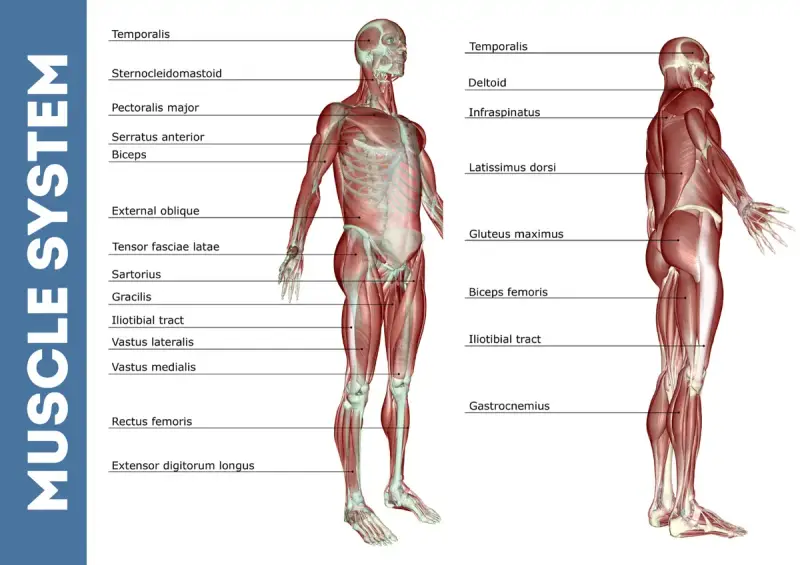
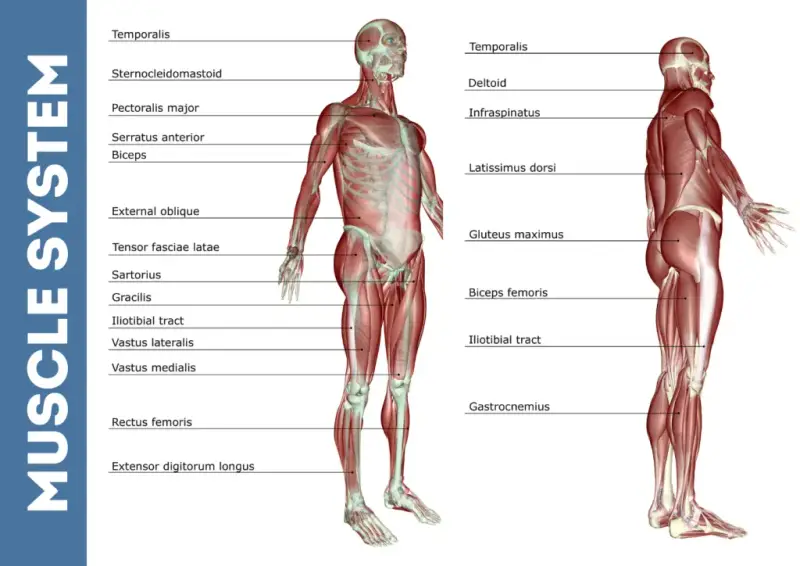
Layers of Muscle
- Superficial Layer: Closest to the skin, involved in basic movements.
- Intermediate Layer: Beneath the superficial layer, supporting more complex movements.
- Deep Layer: Closest to the bones and joints, crucial for stability.
Layers of Fascia
- Superficial Fascia: Just beneath the skin, encompassing fat and connective tissue.
- Deep Fascia: Dense and fibrous connective tissue surrounding muscles, bones, nerves, blood vessels, tendons, and cartilage.
- Subserosal or Visceral Fascia: Found within body cavities, supporting internal organs in the abdomen such as the heart and lungs.
- Meningeal or Neural Fascia: The deepest layer within the central nervous system, including the dura mater, arachnoid mater, and pia mater, protecting the brain and spinal cord.
Techniques and Modalities to Reach the Deepest Layers
Reaching the deepest layers of muscle and fascia requires specific, expert techniques:
- Trigger Point Therapy: Targets tight areas within muscle tissue that cause referred pain.
- Myofascial Release: Applies sustained pressure to myofascial connective tissue to eliminate pain and restore motion.
- Cross-Fiber Friction: Breaks down scar tissue and improves mobility by applying pressure across muscle fibers.
- Stretching and Mobilization: Stretching techniques to lengthen muscles and fascia, enhancing flexibility and reducing tension.
- Craniosacral Therapy: Gentle, energetic modality that releases adhesions in the deepest Meningeal Fascial layer affecting the nervous system
Myofascial Release Therapy Effects on Fascia
Myofascial release (MFR) is a therapeutic technique designed to relieve tension and restrictions in the fascia, the connective tissue that surrounds muscles, organs, and other structures in the body. The goal of MFR is to reduce pain, improve movement, and enhance overall function by targeting areas where the fascia has become tight, adhered, or dysfunctional.
Craniosacral Therapy and the Deepest Layer of Fascia
Craniosacral therapy (CST) is a gentle, non-invasive form of bodywork focusing on the craniosacral system, including the meningeal fascia that encompasses the dura mater. Dura Mater is the tough outermost membrane covering the brain and spinal cord.
At Therapeutic Elements, we use CST to detect and correct imbalances and blockages releasing restrictions in this deepest layer, leading to pain reduction, improved central nervous system function, and overall health enhancement. Whether you’re dealing with migraines, chronic pain, or stress-related disorders, CST can be a game-changer.
Does a Deep Tissue Massage Hurt?
Some people avoid deep tissue massage due to these misconceptions. One common myth is that it must be painful to be effective. While there might be discomfort as we work through tight areas, it should never be unbearable. We communicate closely with you to ensure the pressure is just right. Another misconception is that deep tissue massage is only for severe issues. In truth, it benefits anyone looking to maintain muscle health and prevent problems before they arise.
Is Deep Tissue Massage Right For Me?
While deep tissue massage offers many benefits, it’s not suitable for everyone. Here’s who should—and shouldn’t—consider it:
Who Should Consider Deep Tissue Massage:
- Individuals with chronic muscle pain or stiffness
- Those recovering from sports or overuse injuries
- People with postural issues from prolonged sitting or repetitive movements
- Athletes looking to enhance performance and prevent injuries
Who Should Avoid Deep Tissue Massage:
- Pregnant women, especially in the first trimester, unless cleared by a healthcare provider
- Individuals with blood clotting disorders or those on blood thinners
- Anyone with recent wounds, infections, or surgeries
- People with osteoporosis or fragile bones should consult a doctor first
Conclusion and Next Steps
Deep tissue massage doesn’t necessarily mean applying hard or heavy pressure. Proper deep tissue work is methodical, starting with the release of superficial layers before gradually accessing deeper layers as the body relaxes. When a therapist forces the tissue into submission before the body is ready, it can trigger pain and engage the body’s fight-or-flight response. At that point, the massage becomes stress-inducing rather than relaxing, and your body resists rather than fully benefiting from the treatment.
Unfortunately, many massage recipients equate the term “deep tissue” with firm pressure, and massage establishments haven’t always done a great job of clarifying the difference. Interestingly enough, the deepest layer of tissue—the meningeal or neural fascia—is only accessible through Craniosacral Therapy, a technique that uses very light touch.
The key takeaway here comes down to communication. Tell your therapist exactly what your goals are. If you prefer firm pressure, explain that. But if you want a true deep tissue massage, be prepared to discuss why. With your goals in mind, your therapist can create a personalized treatment plan that may incorporate multiple modalities, working layer by layer, potentially over the course of several sessions, to achieve the best results.
Take Action Today!
At Therapeutic Elements, we’re committed to helping you find the relief you need through personalized, effective treatments. Deep tissue massage could be the key to unlocking better health and well-being for you. If you’re dealing with chronic pain, recovering from an injury, or simply want to maintain your muscle health, we’re here to help.
Book your deep tissue massage with one of our skilled therapists and experience the benefits for yourself. Contact us today to schedule your appointment and start your journey to a healthier, pain-free life.