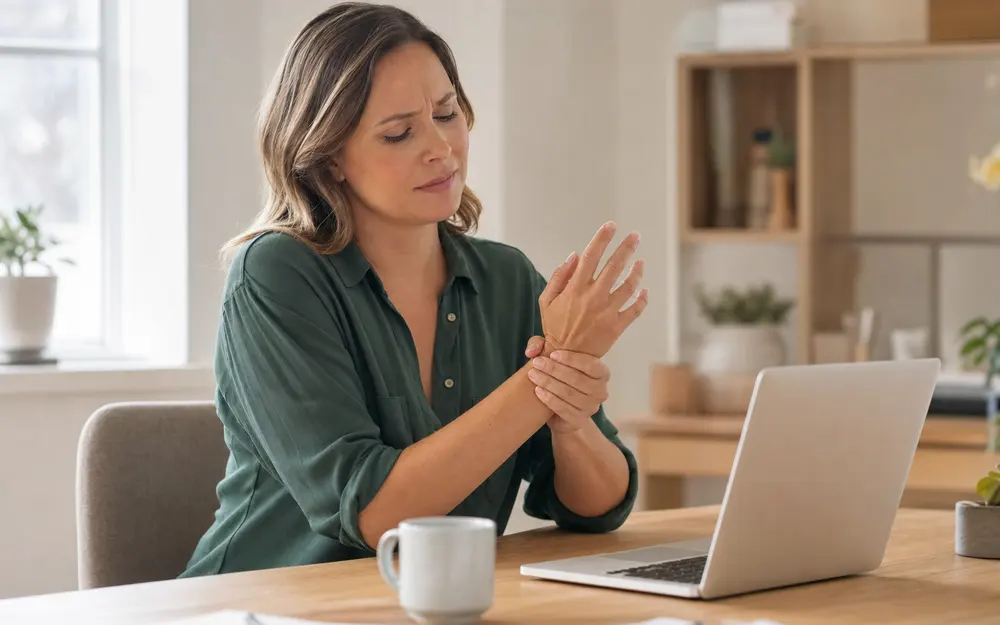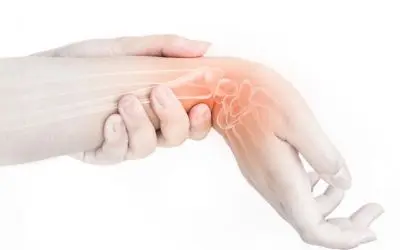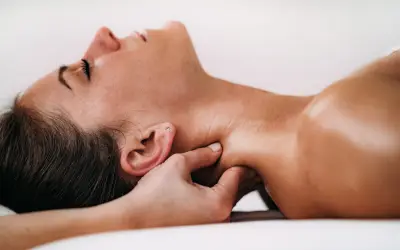
Looking for a way to eliminate chronic pain naturally, or just improve your posture, mobility, and overall musculoskeletal health? You may want to consider Myoskeletal Alignment Technique (MAT). MAT is a form of bodywork that combines elements of osteopathy, chiropractic, physical therapy, and therapeutic massage. It is designed to address musculoskeletal imbalances and promote optimal function and movement.
This article explores key components of MAT, including nerve mobilization, myofascial therapy, and neuromuscular re-education (the retraining of the nervous system) to improve movement. Also discussed is how MAT can improve posture and mobility. Learn why it may be a good option for people who are dealing with chronic pain or dysfunction.
What is Myoskeletal Alignment Technique?
Myoskeletal Alignment Technique (MAT) was developed by Erik Dalton, Ph.D., a bodyworker and educator who has studied various forms of manual therapy for more than 30 years.
MAT is based on the idea that the body’s muscles, bones, and connective tissues are all interconnected.
MAT also shows how dysfunction or imbalance in one area can lead to pain and dysfunction in other areas.
MAT is based on the idea that the body’s muscles, bones, and connective tissues are all interconnected.
MAT also shows how dysfunction or imbalance in one area can lead to pain and dysfunction in other areas.
Myoskeletal Alignment Technique practitioners use a variety of techniques to assess and correct musculoskeletal imbalances. This includes nerve mobilization techniques, neuromuscular re-education, graded exposure stretching, and myofascial therapy.
Nerve Mobilization Techniques in MAT
Nerve mobilization techniques are a key component of Myoskeletal Alignment Technique (MAT). They help to release tension and improve the function of the nerves that supply the muscles and other tissues of the body.
Therapeutic Elements tailor nerve mobilization techniques during MAT sessions to suit each client’s specific needs and conditions. Some common techniques include:
- Sliding: This involves applying gentle pressure and then sliding the skin and underlying tissues along the course of the nerve. This helps to free up any adhesions or restrictions that may be impeding the nerve’s movement and function.
- Tensioning: This involves gently stretching the nerve by moving the limb or body part it supplies into a specific position. This helps to increase the nerve’s mobility and reduce tension and compression.
- Gliding: This involves moving the nerve back and forth in its surrounding tissue, which helps to improve its movement and function.
- Flossing: This involves moving the nerve back and forth through its surrounding tissue while also moving the limb or body part it supplies through a range of motion. This helps to reduce tension and compression on the nerve and improve its mobility.
Overall, nerve mobilization techniques are a safe and effective way to improve nerve function and reduce pain and dysfunction in the muscles and other tissues they supply.
Neuromuscular Re-education in MAT
Neuromuscular re-education is another important component of MAT. This involves using specialized techniques and exercises to retrain the nervous system and improve movement patterns. Improving movement efficiency helps clients reduce pain, overcome dysfunction, and enhance overall musculoskeletal health.
We typically use a form of Proprioceptive Neuromuscular Facilitation (PNF) to lengthen and re-train muscles. You may be familiar with this technique in the form of contract and relax stretching. A very effective and important part of MAT sessions.
We typically use a form of Proprioceptive Neuromuscular Facilitation (PNF) to lengthen and re-train muscles. You may be familiar with this technique in the form of contract and relax stretching. A very effective and important part of MAT sessions.
Myofascial Therapy in MAT
Myofascial therapy is an essential technique often used alongside MAT to address tension in the muscles and fascia. It involves applying gentle pressure and stretching techniques to release tightness, improve mobility, and enhance overall function. This therapy plays a vital role in helping clients achieve better musculoskeletal health.
Key Benefits of Myofascial Therapy in MAT:
- Relieves Tension: Gently releases tension in muscles and fascia, reducing discomfort and promoting relaxation.
- Improves Circulation: Enhances blood flow, which helps reduce pain and inflammation.
- Increases Mobility: Improves flexibility and joint movement by releasing restrictions in the connective tissue.
- Supports Overall Function: Helps restore proper movement patterns, promoting better posture and reducing strain on muscles and joints.
By addressing both muscles and fascia, myofascial therapy in MAT can significantly improve your overall mobility and help you move more freely and comfortably.
Improving Posture and Mobility with MAT
One of the main goals of MAT is to improve posture and mobility. By addressing musculoskeletal imbalances and promoting optimal function and movement, MAT can help clients achieve better alignment, reduce pain and discomfort, and improve overall mobility.
By releasing tension in the nerves, muscles, and fascia, MAT can improve circulation, reduce pain and inflammation, and improve the body’s ability to move and function properly.
By releasing tension in the nerves, muscles, and fascia, MAT can improve circulation, reduce pain and inflammation, and improve the body’s ability to move and function properly.
With the primary focus of an MAT treatment being on improving posture, the results can last far longer than working on individual muscles alone.
Benefits of MAT Massage vs standard Deep Tissue Massage
Here are some potential benefits of booking an MAT session instead of a standard deep tissue massage:
- More targeted treatment: MAT is designed to address specific musculoskeletal imbalances and dysfunctions, so your practitioner will tailor the session to address your individual needs.
- Focus on posture and alignment: MAT is focused on improving posture and alignment, which can help reduce pain and prevent injuries in the long term.
- Integration of nerve mobilization and neuromuscular re-education techniques: While deep tissue massage can be effective for releasing tension in the muscles, MAT incorporates techniques to release tension in the nerves. Thus retraining the nervous system to improve movement patterns.
- Use of myofascial therapy: Myofascial therapy is often used in conjunction with MAT, which can help release tension in the connective tissues and improve overall mobility.
- Potential for longer-lasting results: Because MAT is focused on addressing musculoskeletal imbalances and promoting optimal function and movement, the results may be longer-lasting than those from a standard deep tissue massage.
Both MAT and deep tissue massage reduce pain and improve musculoskeletal health; the best choice depends on your needs. It’s always a good idea to consult with a qualified practitioner to determine the most appropriate treatment for you.
Is MAT Right for You?
If you are dealing with chronic pain or dysfunction, or if you are looking for a way to improve your posture and mobility, MAT may be a good option for you. However, it’s important to work with a qualified practitioner who has training and experience in using these techniques safely and effectively.
MAT is a holistic approach to musculoskeletal health that can help you achieve better alignment, reduce pain and discomfort, and improve overall mobility. Whether you are an athlete looking to improve your performance or simply want to feel better in your everyday life, MAT may be able to help you achieve your goals.
MAT is a holistic approach to musculoskeletal health that can help you achieve better alignment, reduce pain and discomfort, and improve overall mobility. Whether you are an athlete looking to improve your performance or simply want to feel better in your everyday life, MAT may be able to help you achieve your goals.
MAT: Summary
“In our years of practicing bodywork, we find MAT to be one of the most efficient and effective techniques that helps us achieve a significant reduction in pain for our clients quickly.
MAT assesses the body holistically, identifying common patterns of postural distortions that lead to dysfunctional strain and pain. Once the patterns are identified, we help reverse them through manual therapy techniques. These techniques are inspired by Osteopathic Manipulations, Physical Therapy, Graded Exposure Stretching, Myofascial Therapy, Joint mobilizations and Nerve Flossing.
When the skeletal frame is moving in a dysfunctional movement pattern, the joints are not articulating or moving in a healthy manner. The muscles surrounding the joints can become contracted as body is smart and wants to protect the body from injury. This is called ‘muscle splinting’.
Muscle splinting occurs wherever the body experiences an injury, whether real or perceived. Often times the knots and trigger points are ‘splinting’ as a secondary symptom of the distorted postural patterns or healed injuries from the past. What was once helpful and protective is now holding the misalignment of the joint(s) in place.
Once we get the joints, nerves, muscles, and fascial systems balanced and communicating, they will start working again with one another rather than against each other. This result in the pain from the knots and trigger points to melt away. The patient participates in re-educating the body through proper movement patterns, stretches, and corrective exercises. Finally, any knots and trigger points we work out have no reason to return, as the seminal postural distortion is no longer contributing to the problem.”
-Christopher Clarke, LMT, NMT
MAT assesses the body holistically, identifying common patterns of postural distortions that lead to dysfunctional strain and pain. Once the patterns are identified, we help reverse them through manual therapy techniques. These techniques are inspired by Osteopathic Manipulations, Physical Therapy, Graded Exposure Stretching, Myofascial Therapy, Joint mobilizations and Nerve Flossing.
When the skeletal frame is moving in a dysfunctional movement pattern, the joints are not articulating or moving in a healthy manner. The muscles surrounding the joints can become contracted as body is smart and wants to protect the body from injury. This is called ‘muscle splinting’.
Muscle splinting occurs wherever the body experiences an injury, whether real or perceived. Often times the knots and trigger points are ‘splinting’ as a secondary symptom of the distorted postural patterns or healed injuries from the past. What was once helpful and protective is now holding the misalignment of the joint(s) in place.
Once we get the joints, nerves, muscles, and fascial systems balanced and communicating, they will start working again with one another rather than against each other. This result in the pain from the knots and trigger points to melt away. The patient participates in re-educating the body through proper movement patterns, stretches, and corrective exercises. Finally, any knots and trigger points we work out have no reason to return, as the seminal postural distortion is no longer contributing to the problem.”
-Christopher Clarke, LMT, NMT