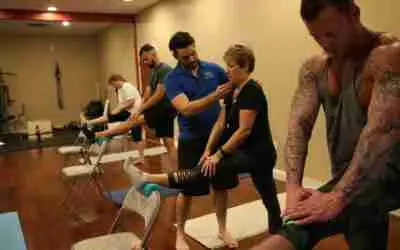

Discovering the Roots of Corrective Exercise in the Workplace
Let’s kick things off by exploring the origins of corrective exercises, especially in the context of workplace wellness. Initially born in the fields of physical therapy and sports medicine, these exercises have found a new home in the modern workplace. The realization hit that the same principles used to treat athletes and individuals could be brilliantly adapted to benefit employees. This adaptation aims to address the common physical ailments arising from prolonged desk jobs and sedentary work habits. It’s fascinating how techniques designed to rehabilitate could evolve into proactive measures, enhancing the well-being of the workforce.
Setting the Goals: Why Workplace Corrective Exercises are a Game-Changer
It’s about much more than just stretching your legs during a coffee break. The goals of integrating corrective exercises into workplace wellness programs are multifaceted:
- Promoting Healthier Work Habits: These exercises encourage employees to adopt more health-conscious behaviors during their workday.
- Minimizing Risk of Work-Related Injuries: By focusing on common issues like back pain or carpal tunnel syndrome, these programs aim to reduce the incidence of occupational injuries.
- Boosting Productivity and Focus: A healthier employee is often a more productive one, with improved concentration and energy levels.
- Fostering a Positive Workplace Culture: Wellness programs that include corrective exercises demonstrate an employer’s commitment to their staff’s health, contributing to a more positive work environment.
Reaping the Benefits: How Employees Win with Corrective Exercise Programs
Implementing a corrective exercise program in the workplace isn’t just beneficial; it’s transformative. Here’s how employees stand to gain:
- Improved Posture and Reduced Pain: Sedentary work can wreak havoc on our bodies. Regular participation in corrective exercises can lead to better posture and less pain, especially in common trouble areas like the back and neck.
- Enhanced Mental Well-being: Physical activity has been shown to reduce stress and anxiety, leading to improved mental health and well-being.
- Increased Energy Levels: Corrective exercises can boost energy levels, making it easier to tackle both work tasks and personal activities.
- Long-Term Health Benefits: Beyond the immediate perks, these programs offer long-term benefits, helping employees maintain their health and mobility as they age.